
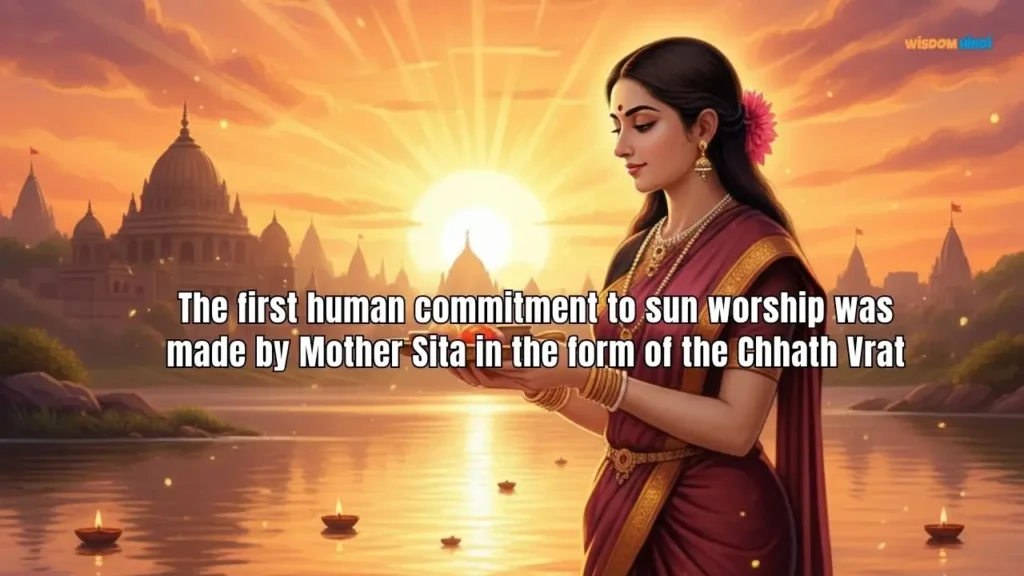
Who Performed the First Chhath Vrat: In Indian culture, fasts are not merely religious rituals; they also hold profound mysteries. One such fast is the Chhath Vrat. The Chhath Vrat is dedicated to the worship of the Sun God and Goddess Chhathi. This prayer not only purifies the body but also provides spiritual progress.
Currently, the Chhath festival is celebrated with great enthusiasm in Bihar, Uttar Pradesh, Jharkhand, and Nepal. However, its historical and religious roots lie in the Treta Yuga. It is said that the human beginning of the Chhath Vrat was established by Mother Sita. After returning to Ayodhya after the slaying of Ravana, she worshipped the Sun God, spreading awareness and this sacred tradition to the masses.
Background of Chhath Puja in the Treta Yuga
According to the Ramayana, when Lord Rama, Mother Sita, and Lakshmana returned to Ayodhya after completing their 14-year exile, the entire city was illuminated with lamps. This day is celebrated as Diwali. Lord Rama’s coronation took place on the sixth day after this. During the coronation, on the sixth day after Diwali, Mother Sita bathed in the sacred river Saryu in Ayodhya and then worshipped the Sun God.
Read More: Perform Chhath Puja Rituals Even While Living Abroad
She spread the message that the Sun is the source of life’s energy. The Sun God illuminates action and brings power to the earth. When the Earth receives the Sun’s energy, the universe is filled with creative power. Therefore, Mother Sita worshipped Lord Surya and invoked nature to energize the universe and establish happiness, peace, and prosperity in Ayodhya.
It is said that the Chhath fast was celebrated after this very fast, marking its human beginning. According to the Uttarakanda of the Valmiki Ramayana, Mother Sita conceived during the early years of Shri Ram’s reign. Therefore, it is said that all women who wish to have children should also worship Chhath Maiya and be blessed with healthy and intelligent children.
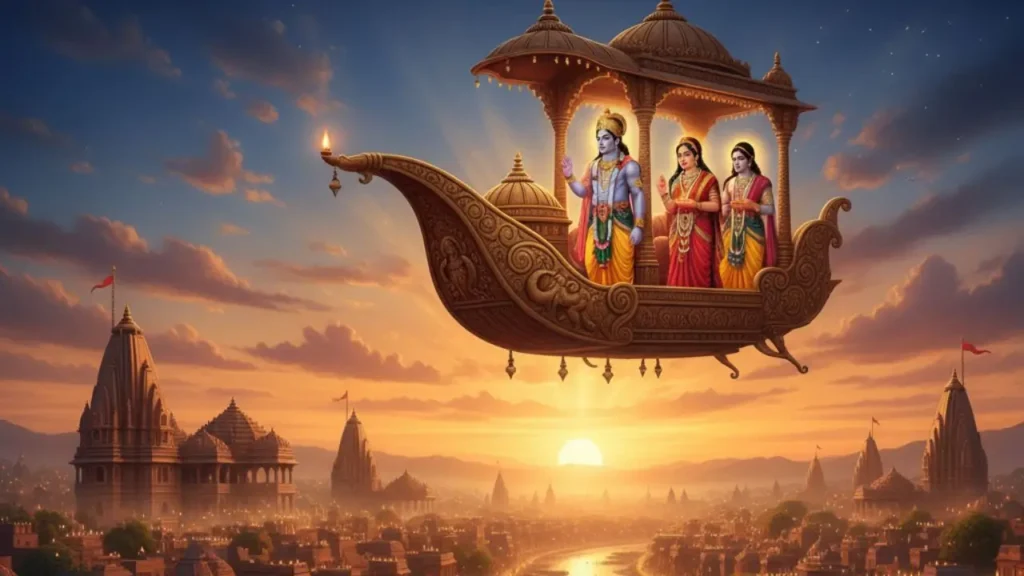
The Rituals of the Chhath Vrat
Mother Sita observed the Chhath Vrat on the sixth day of Diwali. She observed the fast with utmost purity and restraint. After bathing in the morning on the sixth day of Kartik Shukla Paksha, she offered water from a holy river, jaggery, rice, and other natural foods to the Sun God, facing the sunrise. Afterward, she offered holy river water, jaggery, rice, and other natural foods to the Sun God. During this fast, no indulgences or luxuries were offered; only the natural products were offered to the Sun.
It is believed that on this day, Mother Sita remained without water, meditated on the Sun’s rays throughout the day, and in the evening, offered water to the Sun God. This fast is also considered an expression of gratitude to the Sun God, as it was the Sun’s light that paved the way for her life during the harsh days of exile. Therefore, worshipping the Sun God is considered important during the Chhath Maiya fast.
The Tradition of Sita in the Chhath Festival
Through this fast, Mother Sita also showed the path of fasting to other women of Ayodhya. It is said that in the early years, only a few elite women observed the fast with her. But gradually, it became a common tradition. It is because of this tradition of Mother Sita that this fast is also observed in Nepal.
The primary purpose of observing this fast for Mother Sita is not only to worship the deity but also to restore the power of women and the dignity of motherhood. Because this fast is primarily observed by women, it is said that when women take a vow, new energy and consciousness are born in the universe, and Chhath Mata is the presiding deity of this very practice.
Worship and Spiritual Meaning During the Chhath Vrat
Since the Treta Yuga, the Chhath Vrat has not only been considered a festival of offering prayers to the Sun, but also a festival of the light of life. During this time, the Sun is worshipped while standing in water. Water, the Sun, and the offering create a unique combination that is a unique yogic practice.
- Water: Symbolizes the stability and purity of life.
- Sun: Symbolizes truth and knowledge.
- Arghya: And when a person offers arghya, they surrender their ego, sin, and darkness.
This union purifies the body, mind, and soul.
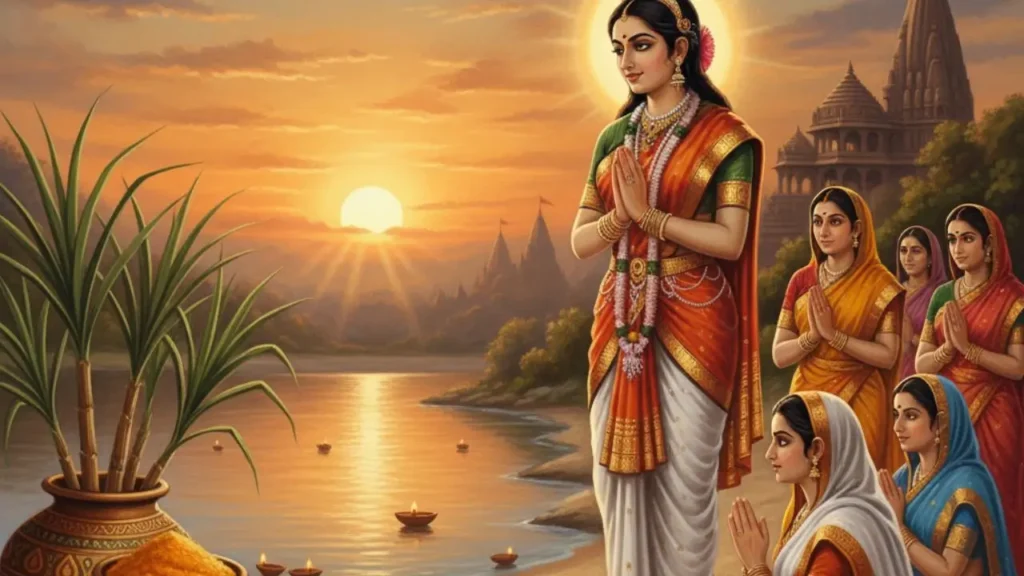
Thus, the tradition of the Chhath fast, started by Mother Sita, is still observed by the people today. Currently, this fast is observed not only in Ayodhya and Nepal, but also in many parts of North India. Over time, the tradition of this fast has spread to various parts of the country and the world.
Even those living abroad worship the Sun God, the controller of the universe, and Goddess Chhathi, the presiding deity of the creative power, with proper rituals during the Chhath festival. Even in the absence of materials, people still prepare for the festival and celebrate it with devotion and restraint.
FAQ- Who Performed the First Chhath Vrat
Who performed the first Chhath Puja?
It is said that Mother Sita initiated the human tradition of the Chhath fast. When Mother Sita returned to Ayodhya after the killing of Ravana, she spread awareness by worshipping the Sun God and spread this sacred tradition to the masses.


3 thoughts on “First Human Commitment to Sun Worship was Made by Mother Sita in the Form of the Chhath Vrat”